A funny thing happened in our living room last week.
My kids had YouTube on the TV, and it was loud teen emo angst music, electric guitars, drums, musicians somewhat shouting at the chorus… It was My Chemical Romance, I Don’t Love You.
These days, my own playlists are mostly acoustic songs, gentle ballads, mando KTV anthems, Vietnamese Slow Jams, Korean Ballads or (don’t laugh) calm zen piano / guitar / cello spa music. That’s just what fits my mood during my solo lunch breaks and commutes and walks. But seeing my kids enjoying emo punk rock instantly took me back to my own youth, when my world revolved around skater anthems to the likes of 311, Rancid, The Offspring, Flobots blasting through cheap earphones.
Watching my kids enjoying the music, completely locked in, I smiled. It felt nostalgic, but it also got me thinking…
Why do teens love loud, heavy music and songs, and what are they actually getting from them?
Look Past the Noise
To a parent, punk and emo rock can easily sound like pure chaos. The guitars are distorted, the drums are fast, and the singer often sounds like they’re screaming.
Take a song like My Chemical Romance’s “I Don’t Love You.” The music is big and heavy. But if you actually listen to what Gerard Way is singing, there’s no anger there at all.
It’s a song about the quiet heartbreak of growing apart from someone. It’s about the pain of moving on and the fear of regret. Most of the famous songs in this genre are like that. The music is loud, but the words are about self-doubt, feeling left out, or trying to understand love and loss.
The volume isn’t an attack; it’s an amplifier. When you’re fourteen or sixteen, feelings hit hard. Soft ballads just aren’t big enough to hold all that emotion. The heavy guitars give teens a safe, wide-open space to feel everything without holding back.
When you study the broader canon of punk and emo rock… the songs our kids are discovering right now… that pattern shows up everywhere:
- The music is loud, but the lyrics are deeply introspective.
- The vocals might verge on a scream, but they’re talking about feeling inadequate, navigating grief, or searching for identity.
- The tempo might be aggressive, but the core message is almost always about loyalty, heartbreak, and wanting to be understood.
The Magic of the Crowd
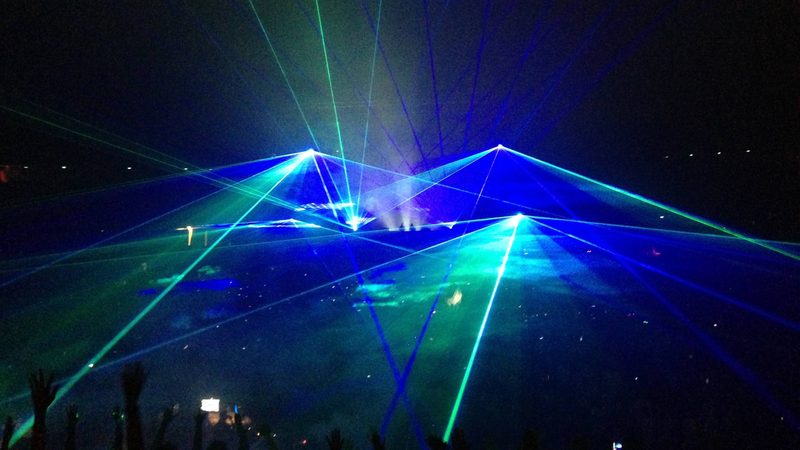
I did not go to many concerts when I was young, but kids these days love concerts.
From the outside, a rock concert looks scary. Hundreds of kids packed together, jumping, sweating, and yelling. But anyone who has been in that crowd knows it’s actually one of the kindest places you can be.
When thousands of kids stand shoulder to shoulder, screaming the exact same vulnerable words at the top of their lungs, they aren’t alone anymore. In daily life, feeling insecure or heartbroken is lonely. But in that room, every kid realizes: “I am not the only one.”
If someone falls down, people instantly pull them back up. The noise turns into a shared connection.
A Sweet Realization
As parents, it’s easy to get nervous when our kids listen to heavy music. We wonder if they’re angry or troubled.
Watching my kids last week, I realized the opposite is true: it’s actually very sweet.
It means their hearts are opening up. It means they care deeply about feelings, friendships, and belonging. They aren’t angry rebels… they are just growing up and finding music big enough to carry their hearts.
One day, they might switch to calm ballads just like I did. But for now, they are feeling life with everything they’ve got.
So next time you walk past your teenager’s room and hear the guitars shaking the door, don’t just tell them to turn it down. Look up the lyrics. You might just find that beneath all that noise, your child is holding onto something really tender… and that’s a beautiful thing.