I need to get this out of my system… so bear with me…
“Customer Centricity”. I’m honestly quite tired of hearing this. Maybe because I believe humans are irrational. Maybe because I think we as consumers don’t know what’s best for ourselves.
The consumer landscape is a dynamic, ever-shifting mosaic of desires, ethical demands, and technological expectations. Every brand, whether a global titan or an agile startup, stands at a critical strategic crossroads: should brands constantly respond to what consumers currently want, or should brands boldly endeavour to shape the future they believe in, leading consumers towards it?
This isn’t merely a business strategy question; it’s a fundamental choice that will determine not just market share, but potentially, the very trajectory of our collective “better future” as a human race.
Let’s explore this divide as it’s been on my mind a lot of late while responding to proposals or developing strategies to drive growth for brands.
The Responsive Brand: Mastering the Art of the Present
Many brands are experts at navigating the here and now. They are the astute surfers of consumer waves, their well invested R&D and innovation teams have finely tuned sensors, detecting every ripple from the surging demand for sustainable packaging and hyper-personalisation, to the integration of AI into daily life. Their market intelligence is impeccable, their agility unmatched.
Their strength lies in immediate relevance and reduced risk. They deliver what consumers are explicitly asking for, minimising speculation, recommendations backed by empirical data. We see this in the rapid proliferation of plant-based or organic options in every grocery store, the explosion of niche products and services in respond to the niche segment of needs and wants, algorithmic recommendations while you doom-scroll that maximise profit margins, the constant software updates that addresses the latest privacy concerns or introduction of generative AI features in every daily app even needed or not. They optimise existing paradigms, making them smoother, more efficient, and more palatable for the current consumer.
But here’s the critical question: does expertly reacting to current desires truly build a better future, or does it merely perpetuate and refine the existing one? While essential for market health and meeting immediate needs, this approach leads to incremental improvements rather than transformative leaps. It risks being derivative, focused on short-term gains, and potentially missing the deeper, unspoken societal needs that lie beneath the surface of popular culture. Worse, it drives our human race into ground, unhealthy, unmotivated, easily manipulated like sheep being lead to the slaughter.
The Visionary Brand: Building Tomorrow, Today
Then there are brands driven by a deep conviction, an almost prophetic perspective on how the world should be. These organisations aren’t just listening to consumers; they’re trying to educate them, inspire them, and ultimately, change their behaviour to align with a preferred future.
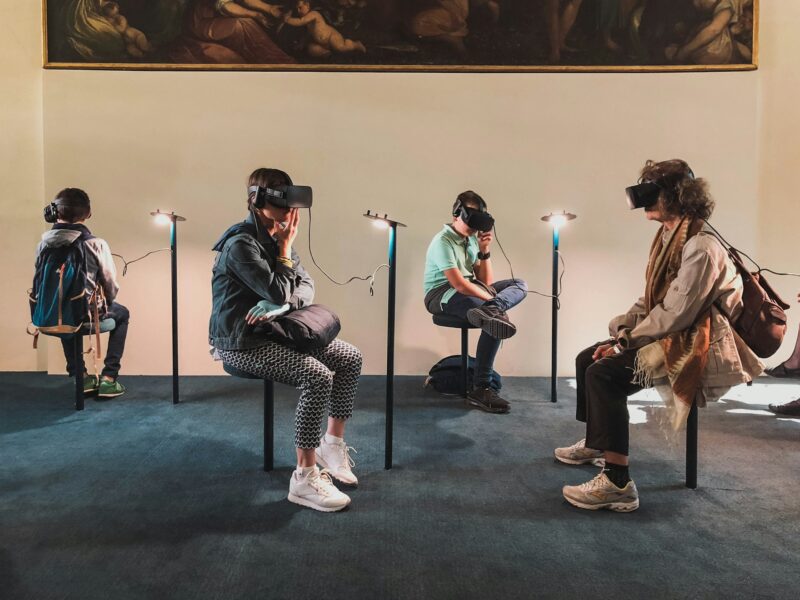
Think of the pioneers of electric vehicles, long before climate change was a mainstream concern for every household. Or companies investing in lab-grown meats or alternative source of proteins when the market was barely a whisper. Consider brands developing immersive virtual and augmented realities, not just as entertainment, but as platforms for entirely new forms of work, education, and social connection. Their products and services are often conceived not from a focus group, but from a profound belief in what’s possible and necessary.
Their strength lies in disruption, innovation, and long-term impact. They are willing to take significant risks, invest heavily in R&D, and embark on extensive educational campaigns to bring consumers along on their journey. They create new markets, establish new norms, and often, their initial offerings are met with skepticism before becoming the gold standard. When successful, these visionary brands don’t just participate in the future; they define it, often leading to profound societal benefits, from environmental sustainability to health advancements.
Think Patagonia (sustainability), think Tesla (energy & transportation), think Impossible Foods (ending the era of animal-based agriculture)…
However, this path is fraught with challenges: immense capital investment, significant consumer inertia, the risk of misjudging the future, and the long, arduous process of shifting ingrained habits.
Towards a Truly Better Tomorrow: A Call to Action
This distinction isn’t about declaring one approach inherently superior. Both play crucial roles. Responsive brands ensure that our journey is comfortable and that visionary breakthroughs are integrated seamlessly. Visionary brands, however, are the cartographers of new territories, daring to imagine and build paths we didn’t even know we needed.
The real challenge for us, as business leaders, innovators, and consumers, is to discern: Which brands are truly advancing the needle towards a better tomorrow?
- Is a “better future” simply one where our current desires are perfectly met and seamlessly optimised? Or is it one where fundamental challenges, climate change, inequality, resource scarcity, digital well-being are confronted head-on by audacious visions?
- Do we, as consumers, inadvertently empower brands that merely give us more of what we already consume, or do we reward those that challenge us to think differently, act differently, and aspire to a more sustainable, equitable, and fulfilling existence?
- How can we, as a business community, foster an environment where bold, future-shaping convictions are not only celebrated but economically viable, even when they push us out of our comfort zones?
Perhaps the most potent combination for a truly better future lies in synergy… visionary brands daring to dream and build, coupled with responsive brands rapidly integrating and democratising those innovations once their path is proven. This interplay creates a dynamic tension that can drive genuine, sustainable progress.
Let’s open the conversation:
What role do you believe brands should play in shaping our future? Are we, as consumers, too focused on immediate gratification to truly support the long-term visionaries? And ultimately, how do we encourage more brands to not just react to the tide, but to help steer our Human race towards a truly better tomorrow?
Oh man… how I wish I can work on more Visionary Brands.
#Branding #Innovation #ConsumerTrends #Leadership #Strategy #Sustainability #Marketing #BusinessStrategy #FutureBuilding #VisionaryLeadership #ConsumerBehavior